The Brain Loves Patterns: Numbers, Images, Colours and Words
The Brain Loves Patterns: Numbers, Images, Colours and Words
You see a face in a cloud. You hear three notes of a song and already know the fourth. You walk past a fruit stall and can tell at a glance which vendor stacked their produce neatly. None of that is coincidence: the human brain is a pattern-hunting machine, and it hunts patterns all day whether we notice or not. Pattern-matching games are absorbing for exactly that reason — they feed the machine the food it likes. This article is about why patterns feel so satisfying, and how each family of patterns trains a different kind of attention. To be clear up front: this is about entertainment and habits, not medical promises.
Why the brain keeps hunting for patterns
Because patterns let the brain predict. A brain has to process a constant stream of images, sounds and words; examining everything from scratch would be exhausting. Finding a rule — "these three tiles match", "this sequence keeps doubling" — is how the brain compresses information and knows what comes next. When two pieces click together, we get a small hit of satisfaction, an "oh, it fits!" moment. That feeling is the reward that makes us play one more round.
Children learn letters, counting and new songs by the same mechanism: hear it again and again, spot the repeating part, then predict what follows. Adults are no different — their patterns are just more complex: a run of numbers, a board position, a table of figures.
Four pattern families in games
Number patterns. Ghép Số (our 2048-style merging game) starts from a single rule — two equal tiles merge into a doubled one: 2, 4, 8, 16… — but keeping the board from descending into chaos is the real challenge. Sudoku needs no arithmetic at all: it asks "which number has not appeared in this row, this column, this box yet?" — pure elimination.
- Play now: ghepso.synerworlds.com
- Play now: sudoku.synerworlds.com
Image and colour patterns. In Xếp Trái Cây (Tropi Pop), your eyes don't count individual fruit — they scan for clusters: wherever two or three of a kind already sit together, that's where things are about to pop. Xếp Bi (Chroma Beads) works the same way but in lines: guide same-coloured beads into a shared row — horizontal, vertical or diagonal — while keeping paths open, because new beads keep dropping in unexpected places.
- Play now: xeptraicay.synerworlds.com
- Play now: xepbi.synerworlds.com
Shape patterns. Nonogram hides a picture inside the numbers along the edge of a grid: each run of numbers is a clue about which cells to fill. Fill them all correctly and the picture appears — like decoding a message written in shapes.
- Play now: nonogram.synerworlds.com
Word patterns. Word Search makes your eyes sweep a grid of letters to find the hidden word running across, down or diagonally — separating signal from a sea of noise. Cross Words is about intersecting patterns: every word you place must agree with every word it crosses, and one wrong letter throws the whole neighbourhood off.
- How to play Word Search for beginners · Play now: wordsearch.synerworlds.com
- How to play Cross Words for beginners · Play now: crosswords.synerworlds.com
(A side note: board games are full of patterns too — formations, piece shapes, tactical motifs — but those are patterns at the strategy level, and they live on other shelves of SynerWorlds.)
What you actually get from playing — stated honestly
No game will make you dramatically smarter in a few rounds, and this article won't pretend otherwise. What is real, and valuable enough, is smaller: ten or fifteen minutes of complete focus on a single thing; the scan–compare–match habit repeated hundreds of times per game; having to look two or three steps ahead instead of reacting on impulse; and a slower rhythm that lets your head rest in a day full of notifications. The biggest benefit usually comes from a regular few minutes a day, not from one very long session.
Which family should you start with?
If you like numbers and a satisfying sense of things "tidying up": start with Ghép Số. If you like colour, pace and popping clusters: Xếp Trái Cây. If you prefer slow deduction: Nonogram or Sudoku. If words are your thing: Word Search. The next two articles in this series go deeper into the two most-played families: number patterns and visual patterns. All the games are free, with no ads, and play right in your browser — and the Train your mind by goal page lists every game with the skills it trains, so you can pick by exactly what you want to practise.
🧠 Skills trained
Pattern games train: Pattern recognition · Focus · Planning.
See more on the Train your mind by goal page.
Read next: Seeing the rule in a run of numbers and Eyes faster than hands: reading shapes and colours.
📚 អានបន្ត
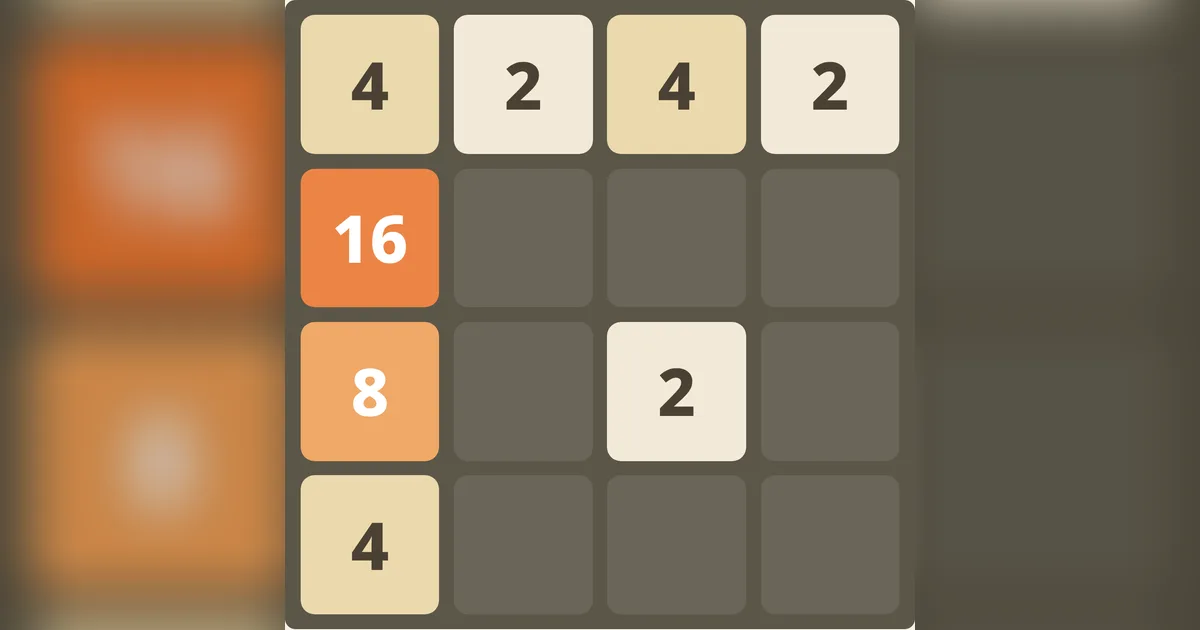
Seeing the Rule in a Run of Numbers
You don't need to be good at maths — you need to spot the rule. From the doubling chain 2, 4, 8, 16 in Ghép Số to Sudoku's art of elimination, number patterns are the easiest forward-looking thinking to start with.
Ghép Số is live: slide and merge the number tiles to 2048, with a daily challenge for everyone
Ghép Số (2048) is live at ghepso.synerworlds.com — the number-merging puzzle on a 4×4 board: slide tiles, merge pairs to double their value up to the 2048 tile, a daily challenge with one shared game for everyone, leaderboards and move-by-move replays.
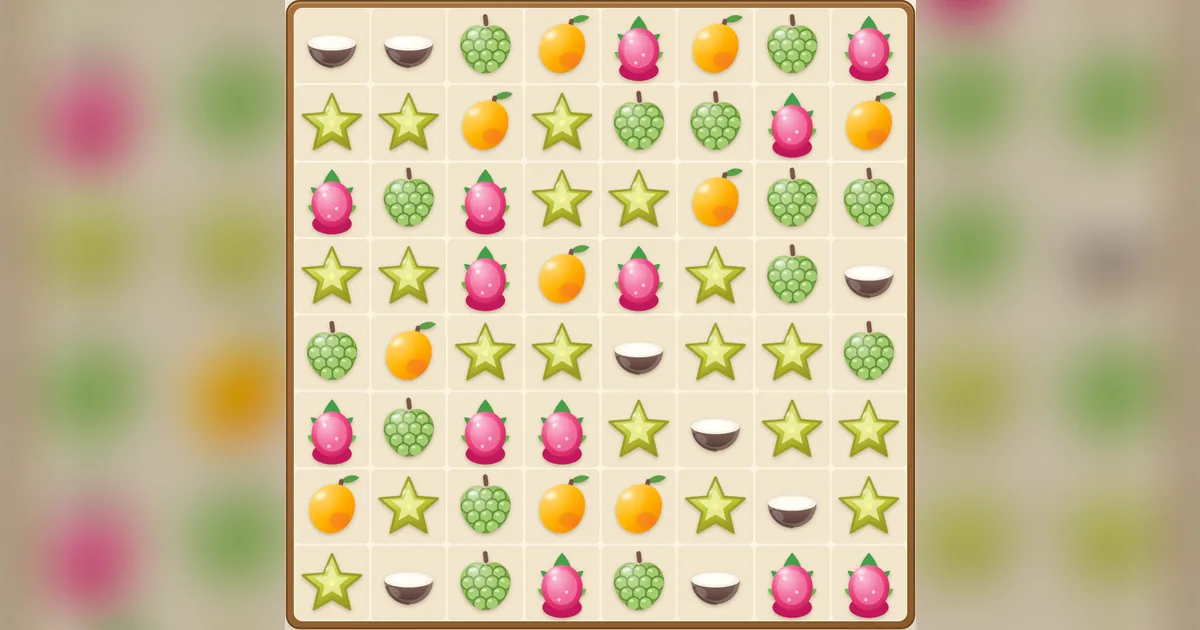
Eyes Faster Than Hands: Reading Shapes and Colours
Experienced players don't count individual fruit or beads — they see whole clusters at once. Visual pattern recognition is the scan–compare–match skill that Xếp Trái Cây and Xếp Bi train in two different ways.
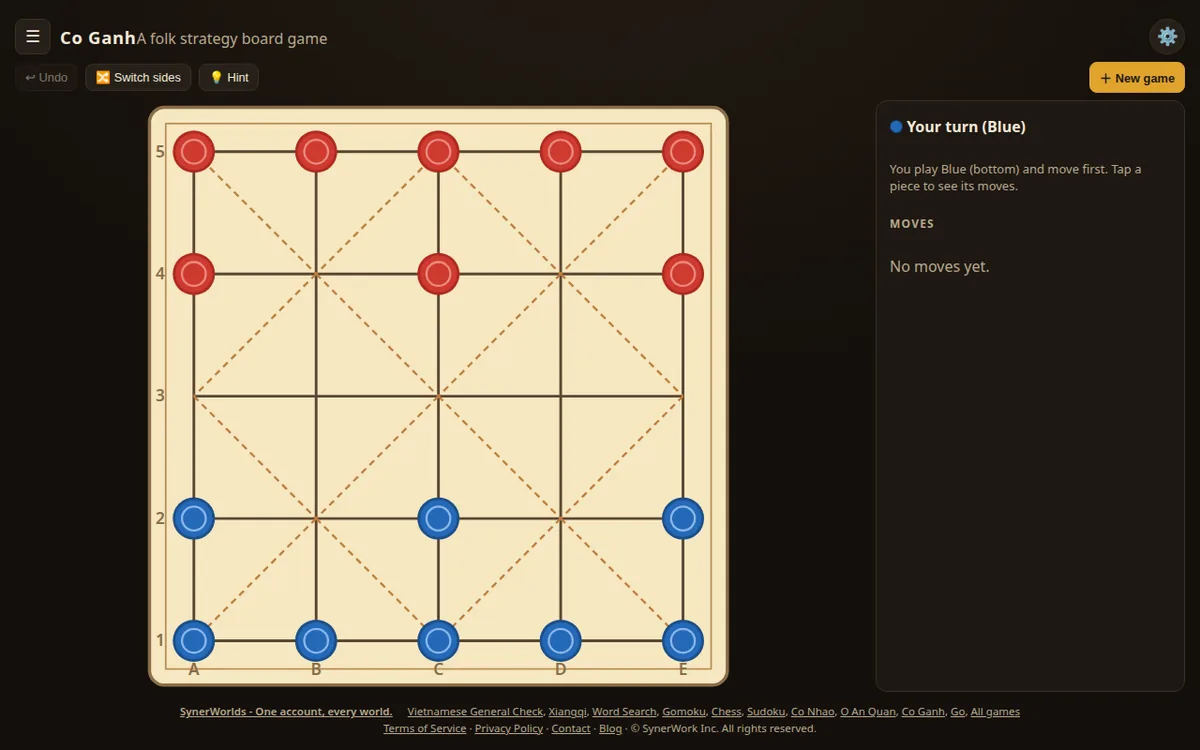
Cờ Gánh Endgames: Winning by Blockade, Liberty Races, and the Two Faces of the Fortress
As the board thins, Cờ Gánh becomes arithmetic: winning by leaving the opponent no move, liberty races between mutually surrounded groups, the endgame carry trap, and why a self-surround fortress can become a coffin.
មតិយោបល់
មិនទាន់មានមតិនៅឡើយទេ។ សូមធ្វើជាអ្នកដំបូងដែលចែករំលែកគំនិតរបស់អ្នក!